
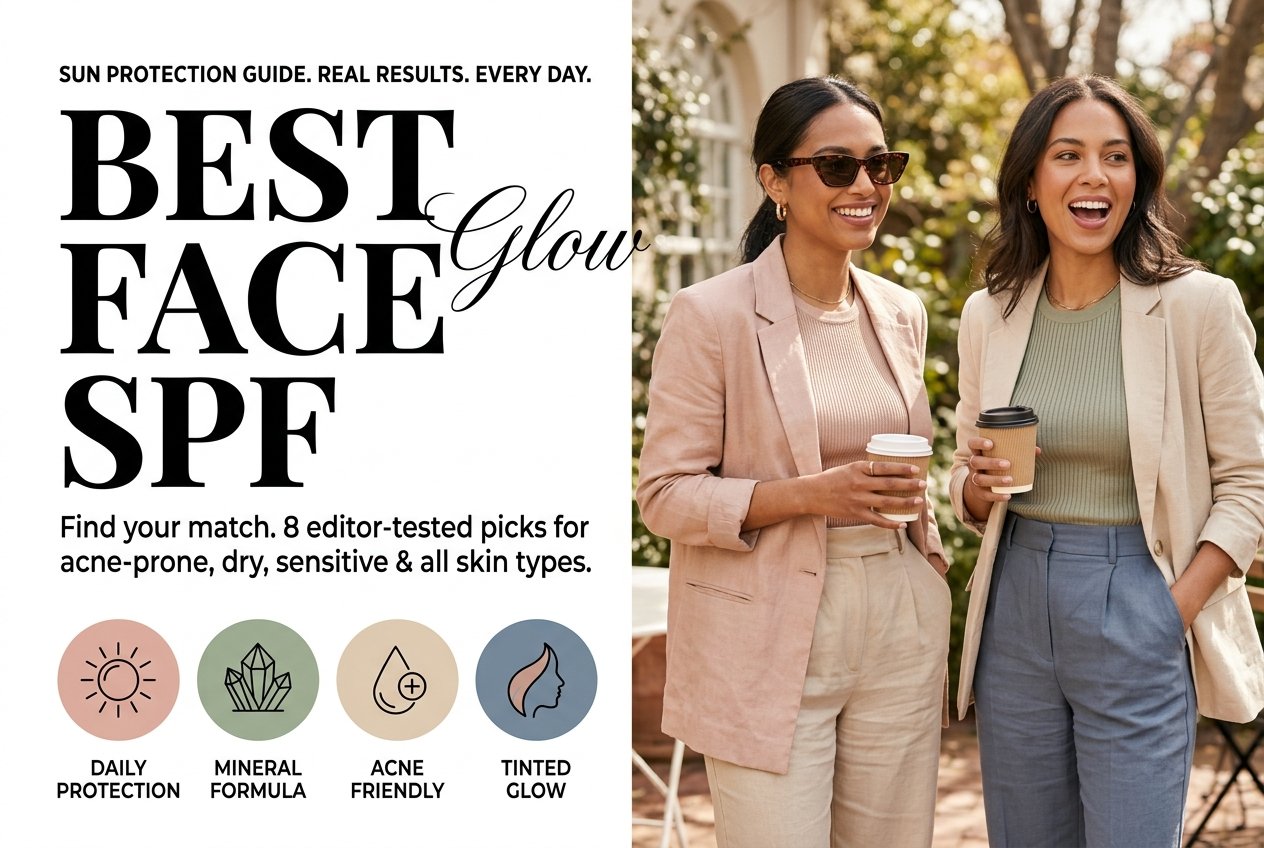
About 80% of visible skin aging comes from the sun—not genetics, not stress, not your diet. The sun. I didn’t fully believe this until I compared photos of the left and right sides of my face after years of driving with the window down on the same side. That changed everything.
So let’s start there, with the conclusion: daily SPF is the single most effective anti-aging product you will ever buy. Not a serum, not a retinol, not a $300 cream. Sunscreen. And the reason most people don’t get the full benefit isn’t because their SPF doesn’t work—it’s because they’re using the wrong formula for their skin, applying too little, or reaching for last year’s leftover bottle that’s been baking in the bathroom cabinet since June.
Why UV Damage Is Sneakier Than You Think
You’re not getting a sunburn every time you step outside, but your skin is still absorbing rays that damage collagen, trigger inflammation, and accelerate aging. It’s cumulative. That quick run to grab coffee without SPF, the commute, the five minutes waiting for the bus—it all adds up over years into the kind of skin damage that no serum can fully reverse. UVA rays penetrate windows, so even working indoors near glass counts. And here’s the part that trips most people up: if you’re using retinoids, benzoyl peroxide, or certain acids, your skin is actually more sun-sensitive than average, which means your SPF habit matters even more on those days, not less.
Most people also apply far too little. You need roughly a teaspoon for your face and neck—not a pea-sized dot, not a quick swipe. A teaspoon. Even with imperfect application, a daily habit still beats skipping it entirely, but getting the amount right is the difference between SPF 50 on the label and something closer to SPF 10 on your actual face.
Mineral or Chemical?
Both work. They just work differently.
Mineral sunscreens use zinc oxide or titanium dioxide to physically block UV rays at the skin’s surface. They work immediately on application, tend to be gentler on reactive or sensitive skin, and are a solid choice for rosacea-prone complexions. The trade-off is texture—older mineral formulas especially can feel thick or leave a white cast, which makes people apply less or skip it entirely. Chemical sunscreens absorb into skin and convert UV rays into heat. They blend invisibly, feel lighter, and are generally preferred by people with oily or acne-prone skin. They do need about 15 minutes to fully activate after application, and some people with sensitivity find certain chemical filters—oxybenzone in particular—irritating. (Actually, that’s not quite right to say universally: major health bodies consider approved chemical filters safe, but if you’ve reacted to one before, it’s worth checking ingredient lists and switching to zinc oxide instead.)
The best face SPF is whichever one you will actually use every single day.
Getting the Formula Right for Your Skin
For acne-prone skin, look for oil-free and non-comedogenic on the label, and be skeptical of anything with heavy silicones or occlusive oils unless you already know your skin handles them fine. Chemical SPFs tend to disappear into skin without adding texture, which is why they’re popular here—but the newer generation of mineral formulas has improved dramatically and some are now genuinely invisible on medium to deeper skin tones too.
Dry skin needs an SPF that pulls double duty as hydration. Look for formulas with hyaluronic acid, glycerin, or ceramides built in. Layering a thin mineral SPF over a dry face often makes the dryness worse, so either choose a moisturizing SPF or apply it over a hydrating serum while it’s still slightly damp.
Sensitive skin has the clearest checklist: fragrance-free, no essential oils, no alcohol high on the ingredient list, and ideally a mineral filter. Patch-test before committing to a full bottle. Some people also find that applying SPF over a calming ingredient like niacinamide or centella asiatica reduces any residual irritation from the formula itself.
Our Top 8 Picks
These were tested in actual daily life—morning commutes, outdoor runs, the kind of day where you forget to reapply and then spend the afternoon quietly panicking. The ones that made the permanent rotation did so because they feel good enough to use without thinking about it, don’t break out the people who wore them, and don’t require choosing between sun protection and comfort.
The Part Nobody Wants to Hear
You might not find the right formula immediately. I went through at least four before landing on one that didn’t make my skin look like a glazed donut by 11am. Give each formula at least three to four weeks—skin takes time to adjust, and first impressions aren’t always accurate. Ask yourself three questions after a month: Does it feel comfortable enough that I’m not dreading putting it on? Am I actually using it every morning? Is my skin doing okay with it? Three yeses means you’ve found your formula. Anything less, move on without guilt.
The sunscreen industry has gotten genuinely good at making SPF feel like nothing. There’s no reason in 2024 to suffer through a formula that doesn’t suit you when the options are this varied. Find the one that disappears on your skin, buy a backup, and stop negotiating with yourself about whether today counts as a sun day.
It does.
At Unwritten, our editors choose every product and story idea independently — we only recommend things we’d genuinely tell a friend about.
Frequently Asked Questions
How much sunscreen should I actually apply to my face?
Most people apply way too little. You need about a teaspoon for your face and neck combined—roughly a nickel-sized amount in your palm. A thin swipe is not enough, no matter what the SPF number says on the bottle.
Does SPF in my foundation count as sun protection?
Not really. To get the protection listed on a makeup product, you’d need to apply far more than anyone actually does. Use a dedicated SPF underneath your makeup and treat any SPF in foundation as a bonus, not a substitute.
Can I skip sunscreen on cloudy days or when I’m mostly indoors?
No. UVA rays—the ones that break down collagen and cause long-term aging—pass through clouds and glass. If you sit near a window at work, you’re getting UV exposure. Daily SPF applies even when the sun isn’t obviously blazing.
Is mineral or chemical sunscreen better for acne-prone skin?
Chemical sunscreens tend to blend more invisibly and feel lighter, which makes them popular for oily and acne-prone skin. That said, some well-formulated mineral options work just as well now. The key is finding a non-comedogenic formula—the filter type matters less than the overall ingredient list.
How often do I need to reapply face sunscreen?
Every two hours if you’re outdoors, or after sweating or swimming. If you’re mostly inside, one morning application is usually fine—but reapply if you’re heading out for a long stretch. Setting sprays with SPF can make midday reapplication easier over makeup.